 rootwork
Everything you grow is connected to someone who needs it.
Rootwork links Melbourne's community gardeners. Track what's growing, share the surplus with the neighbours who asked for it, buy a box from your street's spare, and plant next season what the neighbourhood is short of.
New here? Join your community garden in four questions.
People → communities
Start with the garden down the road.
Members join the community garden nearest them, chosen on a map by where they actually grow. Every hub has its own forum, events and needs board, run by its organisers.
Gardens → crops
A garden designer that knows the street.
Give it your space and your sun. It draws three square-foot layouts and explains every choice, including which crops your neighbours are asking for that nobody grows. Plant one, and every crop is tracked from seed.
"Fill the street's gaps": 12 squares of coriander because 14 neighbours want it and 2 grow it.
Crops → harvests
Sell the zucchini glut before it's picked.
Crop tracking forecasts how much each plant will give and when. When a forecast runs past what a household can eat, the grower pre-lists the surplus, and the people who asked hear about it months ahead instead of meeting a pile of marrows on a doorstep.
02/09
now
~05/11
~20/12
~12/01
Marketplace → requests
Surplus meets demand, and you can hear it land.
Growers gift, swap or sell at pickup points, never from a home address. Neighbours post what they want. Rootwork ranks who should get each harvest by need, distance and reliability, and gives both sides a handover code.
Tap a neighbour to match them. Turn sound on first.
Requests → local demand
Every "I want" becomes a planting signal.
Requests from members and supply from everyone's crop tracking add up to a live picture of what the neighbourhood eats and what it's short of. Organisers see it in the hub; the network sees it across every community, and can nudge the growers who could fill a gap.
Local demand → better growing decisions
"What should I grow?" answered for your plot.
Recommendations weigh unmet local demand, your sun and space, the season and your own harvest record, and say why. They also say what to skip: when 19 neighbours already grow zucchini, a twentieth is a waste of a bed.
How the network pays for itself
Gifts and swaps are free. Revenue comes from what households and councils already spend money on.
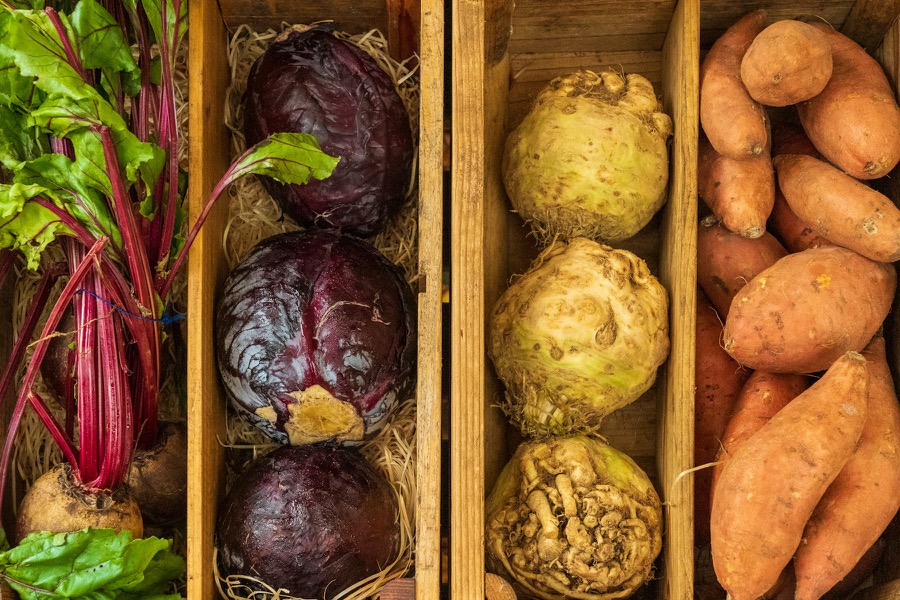 Veg boxes from the street's surplus
Composed each week from several growers' spare. 82% of the price goes to the growers, named on every item.
See this week's boxes Garden builds and maintenance
Raised and wicking beds, seasonal maintenance and soil testing by vetted local crews, booked and paid in the app.
Book a build